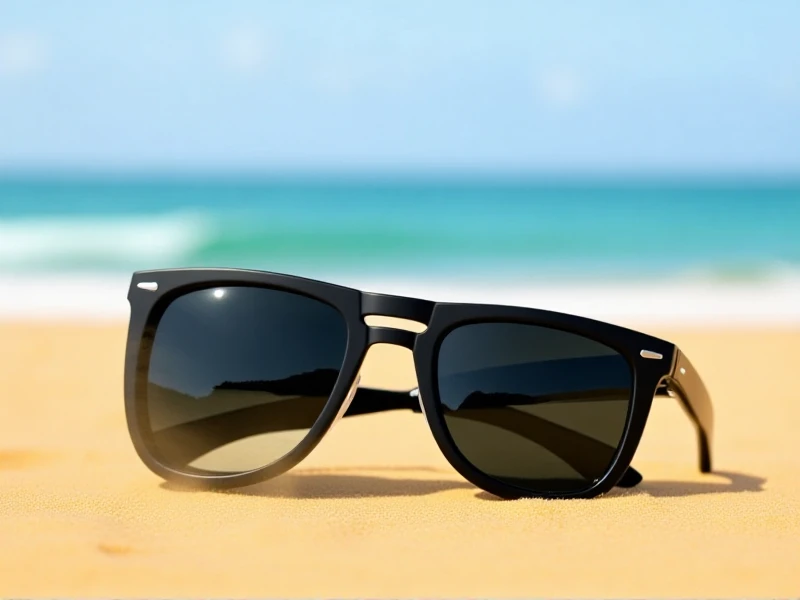
Sustainable Glasses Trend: Style Meets Eco Awareness
Choosing a new pair of glasses? It's no longer just about clear vision or a trendy frame. Today's eyewear scene blends cutting-edge fashion with serious eco-credentials and unparalleled functionality. Understanding these key pillars can help you find the perfect pair that reflects both your style and your values.
Firstly, sustainability is reshaping eyewear. Consumers increasingly demand transparency and eco-friendly practices. Look for brands utilizing innovative materials like recycled ocean plastics, bio-acetate (derived from renewable plant cellulose), bamboo, or even repurposed fishing nets. Recycled metals are also gaining traction. Beyond materials, consider brands with robust recycling programs for old glasses or those supporting reforestation initiatives. Leading sustainable eyewear companies make their ethical sourcing and manufacturing processes clear – a significant shift from conventional eyewear production.
Secondly, while sustainability is crucial, style remains paramount. Thankfully, eco-conscious doesn't mean compromising on aesthetics. From classic aviators and sophisticated cat-eyes to bold geometric shapes and minimalist titanium frames, sustainable glasses offer every imaginable style. Designers like Tom Ford, Stella McCartney (known for eco-luxury), and dedicated sustainable brands like Proof Eyewear and Sea2See prove that ethical frames can be runway-worthy. Innovative materials often offer unique textures and colors unavailable in traditional plastics, allowing for truly distinctive looks. Whether you prefer timeless elegance or cutting-edge avant-garde, there's a sustainable option.
Thirdly, advanced functionalities enhance practicality. Modern glasses go beyond basic vision correction. Blue light filtering coatings are essential for anyone spending significant time in front of screens, helping reduce digital eye strain and potentially improve sleep. Photochromic lenses (that darken in sunlight) offer seamless transition from indoors to bright outdoors, eliminating the need for separate prescription sunglasses. For multifocal needs, graduated lenses provide a smoother visual transition compared to traditional bifocals. Lightweight, flexible materials like titanium or specific bio-based acetates ensure superior comfort for all-day wear. Anti-reflective coatings further improve visual clarity and reduce glare.
Making Your Choice: Key Considerations
- Purpose: Define primary use (daily wear, computer, reading, sun protection?).
- Face Shape & Style: Use online guides or consult an optician to find frame styles that complement your features.
- Lens Needs: Discuss options (anti-glare, blue light filter, photochromic, specific prescription type) with your eye care professional. Correct prescription is non-negotiable.
- Material Preference: Explore bio-acetate, recycled acetate, metals (recycled aluminum/titanium), wood, or recycled plastics. Consider weight and feel.
- Brand Values: Research a brand's sustainability claims. Look for transparency about materials, manufacturing locations, and social responsibility initiatives (like Buy One Give One models).
- Budget: Sustainable and tech-enhanced options can vary, but quality frames and lenses are an investment in your vision and comfort. Consider durable materials for longevity.
So, whether you seek everyday essentials, chic cat-eye glasses, blue light protection, or photochromic convenience, the perfect blend of eco-materials, stunning design, and smart features exists. Today's glasses truly offer more for your eyes and the planet. Explore the vast array of stylish, functional, and ethically made eyewear and step into clearer vision with a lighter footprint.